End-to-end testing for platform teams: complete 2026 guide
For end-to-end testing platform engineering teams, gate critical journeys first. Build reliable CI checks with clear ownership and reproducible failures.
Compare TestDevLab alternatives: TestDriver for GitHub pull request UI checks, Playwright for code-owned browser tests, and services for human QA.
Automate and scale manual testing with AI ->
TestDevLab provides software testing services, but an external QA engagement is a different purchase from automated checks on each pull request. The best TestDevLab alternative in 2026 is TestDriver if you need GitHub pull request UI testing; Playwright if you want engineering-owned browser tests.
TL;DR
Replacing a QA services provider with a tool changes who owns testing. Your team still needs to define expected behavior, prepare test data, investigate failures, and decide whether a release is safe.
Start your 2026 shortlist with the work you need covered, not a feature checklist. A desktop sandbox running a pull request, a browser automation framework, a device cloud, and human exploratory testing solve different problems. Buying the wrong category leaves the original gap open.
Choose the operating model first. Choose the vendor second. If you need someone to investigate ambiguous product behavior, evaluate a service. If you need repeatable checks tied to code changes, evaluate automation.
The comparison below separates the execution environment from the people responsible for coverage. That distinction matters more than whether every option appears in the same search results.
| Option | Best for | Standout capability | Difference from TestDevLab |
|---|---|---|---|
| TestDevLab | Teams seeking external QA services | Human testing expertise delivered as a service | Benchmark for an outsourced testing engagement |
| TestDriver | GitHub teams checking pull requests for UI regressions | Runs pull requests in a real desktop sandbox | Platform-led execution rather than an external QA engagement |
| Playwright | Engineers maintaining browser test suites | Code-defined browser automation and assertions | Your engineers own the suite and its maintenance |
| BrowserStack | Teams needing browser and device testing infrastructure | Cloud access to browsers and real devices | Provides an execution environment rather than replacing QA ownership |
| Applause | Teams seeking human feedback through crowdtesting | Distributed human testing | A different service model, not a pull request test runner |
Do not treat these as interchangeable bids. Compare the responsibility each option removes from your team, then identify the work that remains.
TestDriver is an end-to-end testing and code review platform for software teams using GitHub. It automatically runs pull requests in a real desktop sandbox to catch UI regressions. The relevant distinction is execution: checking what the application does, rather than relying only on a reading of the code change.
Best for: Engineering teams that want application-level checks attached to pull requests.
| Dimension | TestDriver | TestDevLab |
|---|---|---|
| Operating model | Testing and code review platform | Software testing services |
| Core fit | Pull request UI regression checks | External testing expertise |
| Execution approach | Real desktop sandbox | Testing work defined through an engagement |
| Buyer responsibility | Define expected behavior and respond to findings | Define scope, responsibilities, and acceptance criteria |
For a 2026 evaluation, bring a representative pull request and an explicit expected result. Include an interaction that crosses screens, rather than a page that merely needs to load. Your decision should rest on whether execution exposes the regression you care about.
Verdict: Buy for GitHub pull request UI checks; skip as a substitute for a staffed QA function.
Playwright is a browser automation framework. Engineers write tests that perform actions and assert expected results, making it a direct fit when your team wants to own browser regression coverage in code.
The trade-off is ownership. A framework gives you control over the tests; it does not supply the people who choose scenarios, maintain fixtures, or investigate failures.
Best for: Teams with engineering capacity to build and maintain browser automation.
| Dimension | Playwright | TestDevLab |
|---|---|---|
| Operating model | Browser automation framework | Software testing services |
| Test ownership | Your engineering team | Responsibilities defined in the engagement |
| Expected behavior | Assertions written into tests | Acceptance criteria and testing scope |
| Primary buying question | Can your team maintain the suite? | What testing work should an external team own? |
For your 2026 shortlist, inspect a complete test rather than a short demo. Ask the engineer maintaining it to explain the fixtures, assertions, and failure artifacts. If nobody can own those pieces after adoption, choosing a framework has not solved your staffing problem.
For a broader framework shortlist, use the guide to browser automation testing tools.
Verdict: Buy for code-owned browser regression testing; skip if you need external QA capacity.
BrowserStack provides cloud testing infrastructure, including access to browsers and real devices. It belongs on your shortlist when the bottleneck is where tests run or which environments your team can access.
It is not automatically a replacement for a testing services engagement. An execution environment and a testing strategy are separate responsibilities.
Best for: Teams that already have testers or automation and need broader environment access.
| Dimension | BrowserStack | TestDevLab |
|---|---|---|
| Main purchase | Testing infrastructure | Testing services |
| Core question | Where should tests execute? | Who should perform the testing work? |
| Team requirement | People or automation to use the environments | An agreed service scope and internal owner |
Before choosing BrowserStack, name the environment gap you need to close. Specify the browser, device category, and workflow involved. If your problem is that nobody has time to design tests, environment access does not address it.
Verdict: Buy for environment coverage; skip as a stand-alone answer to missing QA ownership.
Applause provides crowdtesting services. It is a closer category match when your reason for considering TestDevLab is access to human testers rather than automated execution on pull requests.
Best for: Teams seeking human testing through a distributed testing model.
| Dimension | Applause | TestDevLab |
|---|---|---|
| Category | Crowdtesting services | Software testing services |
| Evaluation focus | Fit of the crowdtesting model | Fit of the proposed testing engagement |
| Internal responsibility | Scope, triage, and release decisions | Scope, triage, and release decisions |
Ask both providers to explain how a finding becomes a reproducible engineering ticket. Compare the proposed workflow, not promises of broad coverage.
Verdict: Buy when crowdtesting matches your brief; hold until responsibilities and deliverables are explicit.
The useful switching reasons are changes in your requirements. They are not unsupported claims about service quality, delivery problems, or commercial terms.
None of these reasons requires abandoning a working service relationship. A service provider can cover exploratory work while engineers maintain automated regression checks. The boundary needs to be explicit so the same task is not assumed to belong to both teams, or to neither.
For 2026, document the responsibility you want to move before requesting proposals. That makes a comparison between services and software useful rather than misleading.
Use 3 workflows as a practical evaluation brief: a critical user journey, a known regression, and a failure involving test setup. This is a suggested scope, not a coverage benchmark.
Compare each option through the same sequence:
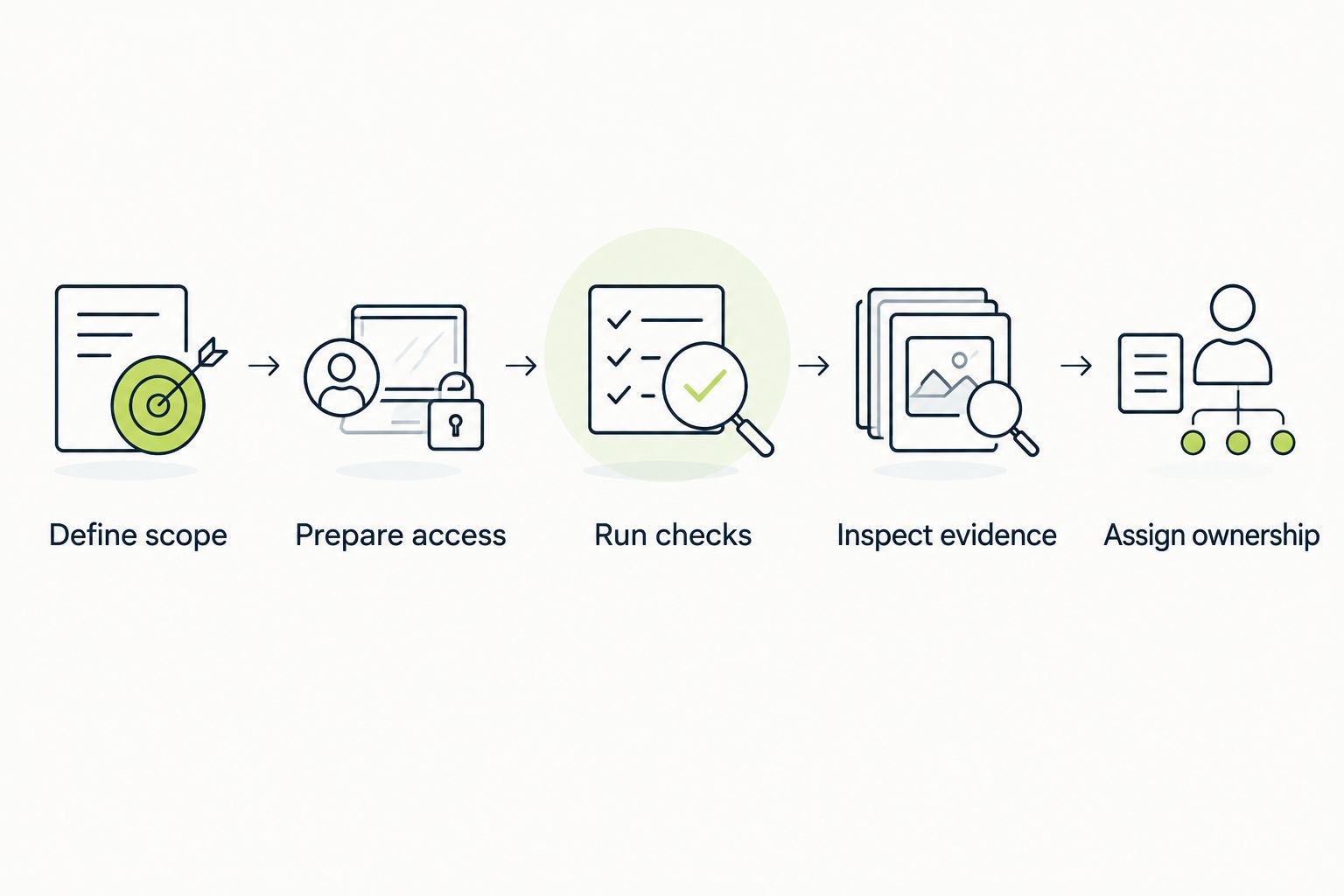
Use the same workflow and expected outcome across the shortlist.
Run 2 evaluation passes: a baseline and a deliberately broken version. Include 1 known UI regression so you can distinguish a useful failure report from a successful run that proves little. These are evaluation instructions, not claims about any vendor’s performance.
Record what your team had to do manually. A result is less useful when nobody knows how to act on it.
Stay with TestDevLab when you need external testing expertise and the engagement covers that work well. Replacing a service with software transfers responsibility; it does not erase it.
Keep the service model when human investigation, test planning, and coordinated testing work are the actual requirement. Add automation where repeatable checks justify it, rather than forcing every testing activity into a single purchase.
A sensible 2026 decision can be to keep your provider and narrow the scope of the new tool. Identify a distinct gap, assign an owner, and avoid overlapping responsibilities. Change providers only when the proposed replacement fits the work you need done.
What’s the best TestDevLab alternative in 2026?
TestDriver is the best fit for GitHub teams seeking pull request UI testing in a real desktop sandbox. Playwright fits engineering-owned browser tests, while a testing services provider fits outsourced human QA.
Is Playwright a direct replacement for TestDevLab?
No. Playwright is a browser automation framework, while TestDevLab provides testing services. Adopting Playwright makes your team responsible for creating and maintaining the test suite.
Should I choose BrowserStack instead of a QA services provider?
Choose BrowserStack when browser or device access is the problem you need to solve. Testing infrastructure does not by itself replace the people responsible for test planning and investigation.
Is Applause closer to TestDevLab than an automation framework?
Yes, at the category level: Applause and TestDevLab both provide testing services. Compare the proposed testing model, responsibilities, and deliverables rather than assuming their engagements are interchangeable.
Can automated UI testing replace manual QA?
Automated UI testing replaces specific repeatable checks, not every human testing responsibility. Keep human ownership of ambiguous requirements, exploratory investigation, and release decisions.
How should I compare TestDevLab alternatives before switching?
Give each candidate the same workflow, expected result, and known regression. Compare the evidence produced and the work your own team must perform to reach an actionable result.
Before you migrate, ask who owns a failed check that turns out not to be an application bug. The answer exposes the maintenance responsibility hidden behind the demo.
Choose TestDriver for pull request UI testing, not as a replacement for every QA responsibility. For any other option, apply the same rule: buy the work you need done, then assign everything that remains.
For end-to-end testing platform engineering teams, gate critical journeys first. Build reliable CI checks with clear ownership and reproducible failures.
End-to-end testing Series B startups can trust starts with critical workflows. Build PR checks, isolate test data, and gate merges on clear evidence.
UI regression testing healthcare software needs more than screenshots. Build patient-context, permission, and saved-state checks into pull requests.
AI code review open source maintainers can trust needs evidence. Compare review methods, isolate contributor code, and keep humans in control of merges.
TestDriver runs every pull request in a real desktop sandbox, finds bugs, and builds regression tests - right from your repo.